
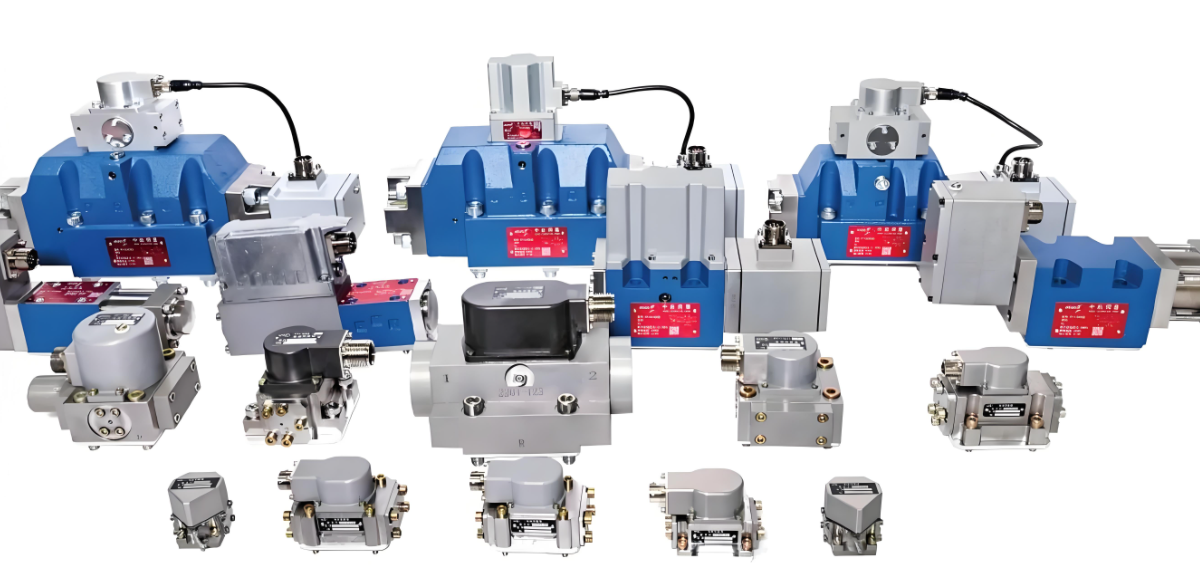
1. Function and Role
2. Working Principle
3. Importance
4. Technological Development
Summary
<span data-lark-record-data="{"isCut":false,"rootId":"SNcpffeR7dwG8tc8GE0c6a4inZc","parentId":"SNcpffeR7dwG8tc8GE0c6a4inZc","blockIds":[2,3,4,5,6,7,8,9,10,11,12,13,14,15,16,17,18,19,20,21],"recordIds":["KpEPf09CFdiM4ycnLZIcKFGOncc","O71gfGxDddq490cNoSIcjbuTnxh","SldOf72f5df677cUY5LcfRKfn6e","FgymfdIskdmV7dc7iLKcBRdFnDh","GFdBf5U94d4RoYc9s85cHFt1nSh","P4mpfaojUdJXtPcnre0cMXzYnUg","Qf5ofWXLednqOhcPZsncfSytnYf","SRSFfKb51dBHnJcTg8qcjWHKnse","A0UCfD7SadtfQfcMomocKeQKnRh","QAd3fKF31dtoOQcAFxDciZeln8c","R5iFfoQkzdn3wqcv1yocQmzjnFf","ZR1Hfl0gvdg9Dnc4BRFctuqtn3f","ZA9EfJmpldeWvxcyrO8coAtlngb","FoujfCyUwdnNa8cIOBccCngInVb","LWn8fQFZYdNXmjcZHK2cm7Synee","GXYVfHEsWdVRnScDnQocDO16njc","Oq6Zf0IAEdcPnHcZlNXc3A5Knxe","Tr7mfz4TtdrJLGcB63WcrYKRnqg","IW2Nfg02gdnNUDcwRsLcgY1Inqe","Gk6GflvZHd0ec4c5i0ZcJjl3nPc"],"recordMap":{"KpEPf09CFdiM4ycnLZIcKFGOncc":{"id":"KpEPf09CFdiM4ycnLZIcKFGOncc","snapshot":{"align":"left","author":"3863002183900732","children":[],"comments":[],"hidden":false,"locked":false,"parent_id":"SNcpffeR7dwG8tc8GE0c6a4inZc","revisions":[],"text":{"initialAttributedTexts":{"text":{"0":"1. Function and Role"},"attribs":{"0":"*0+k"}},"apool":{"numToAttrib":{"0":["author","3863002183900732"]},"nextNum":1}},"type":"heading2"}},"O71gfGxDddq490cNoSIcjbuTnxh":{"id":"O71gfGxDddq490cNoSIcjbuTnxh","snapshot":{"align":"left","author":"3863002183900732","children":[],"comments":[],"hidden":false,"locked":false,"parent_id":"SNcpffeR7dwG8tc8GE0c6a4inZc","revisions":[],"text":{"initialAttributedTexts":{"text":{"0":"The hydraulic turbine flow control servo valve serves as a core executive component in the hydropower generation system, with its primary function being real-time and precise regulation of water inflow to the hydraulic turbine in response to dynamic system demands. This regulation is not only limited to basic inflow adjustment but also covers adaptive control based on multiple operating parameters, such as turbine speed, output power, water head, and grid frequency. By dynamically matching the water inflow with the actual operating conditions of the turbine, it ensures that the turbine operates within the optimal efficiency range, maximizing power generation output while maintaining stable operation."},"attribs":{"0":"*0+jp"}},"apool":{"numToAttrib":{"0":["author","3863002183900732"]},"nextNum":1}},"type":"text"}},"SldOf72f5df677cUY5LcfRKfn6e":{"id":"SldOf72f5df677cUY5LcfRKfn6e","snapshot":{"align":"left","author":"3863002183900732","children":[],"comments":[],"hidden":false,"locked":false,"parent_id":"SNcpffeR7dwG8tc8GE0c6a4inZc","revisions":[],"text":{"initialAttributedTexts":{"text":{"0":"Specifically, when the grid load increases, the servo valve rapidly increases the water inflow to enhance the turbine's rotational torque and power output, meeting the increased power demand; conversely, when the grid load decreases, it reduces the inflow in a timely manner to prevent the turbine from overspeeding due to excessive water energy. This precise control effectively avoids operational hazards such as turbine overloading caused by excessive inflow (which may lead to mechanical wear, seal damage, or even shaft breakage) and insufficient power generation due to inadequate inflow. Furthermore, it coordinates with the system's governor to achieve closed-loop control of the entire hydropower unit, improving the operational efficiency, stability, and safety of the entire hydropower generation system, and laying a solid foundation for the reliable integration of hydropower into the power grid."},"attribs":{"0":"*0+p9"}},"apool":{"numToAttrib":{"0":["author","3863002183900732"]},"nextNum":1}},"type":"text"}},"FgymfdIskdmV7dc7iLKcBRdFnDh":{"id":"FgymfdIskdmV7dc7iLKcBRdFnDh","snapshot":{"align":"left","author":"3863002183900732","children":[],"comments":[],"hidden":false,"locked":false,"parent_id":"SNcpffeR7dwG8tc8GE0c6a4inZc","revisions":[],"text":{"initialAttributedTexts":{"text":{"0":"2. Working Principle"},"attribs":{"0":"*0+k"}},"apool":{"numToAttrib":{"0":["author","3863002183900732"]},"nextNum":1}},"type":"heading2"}},"GFdBf5U94d4RoYc9s85cHFt1nSh":{"id":"GFdBf5U94d4RoYc9s85cHFt1nSh","snapshot":{"align":"left","author":"3863002183900732","children":[],"comments":[],"hidden":false,"locked":false,"parent_id":"SNcpffeR7dwG8tc8GE0c6a4inZc","revisions":[],"text":{"initialAttributedTexts":{"text":{"0":"The working principle of the hydraulic turbine flow control servo valve is based on the synergistic interaction between electromagnetic drive and hydraulic amplification, realizing the conversion from electrical control signals to mechanical displacement of the valve core. Its internal structure typically includes an electromagnetic actuator (such as a torque motor or voice coil motor), a hydraulic amplifier (such as a nozzle-flapper mechanism or spool valve), and a feedback mechanism (such as a position sensor or spring feedback device), forming a closed-loop control system to ensure control accuracy."},"attribs":{"0":"*0+gx"}},"apool":{"numToAttrib":{"0":["author","3863002183900732"]},"nextNum":1}},"type":"text"}},"P4mpfaojUdJXtPcnre0cMXzYnUg":{"id":"P4mpfaojUdJXtPcnre0cMXzYnUg","snapshot":{"type":"text","parent_id":"SNcpffeR7dwG8tc8GE0c6a4inZc","comments":[],"revisions":[],"locked":false,"hidden":false,"author":"3863002183900732","children":[],"text":{"initialAttributedTexts":{"text":{"0":"When the control system issues a command signal (usually a 4-20mA current signal or 0-10V voltage signal) according to the operating requirements, the electromagnetic actuator inside the servo valve converts the electrical signal into a corresponding electromagnetic force. This force drives the actuator (e.g., the flapper of the nozzle-flapper mechanism) to produce a tiny displacement, thereby changing the oil passage area of the hydraulic amplifier and adjusting the flow rate and pressure of the control oil entering the hydraulic cylinder. The piston in the hydraulic cylinder generates linear displacement under the action of the oil pressure difference, and this displacement directly drives the valve core of the main water valve (such as the guide vane or needle valve of the turbine) to move, ultimately adjusting the opening of the main water valve and achieving precise control of the turbine's water inflow."},"attribs":{"0":"*0+pm"}},"apool":{"numToAttrib":{"0":["author","3863002183900732"]},"nextNum":1}},"align":"left"}},"Qf5ofWXLednqOhcPZsncfSytnYf":{"id":"Qf5ofWXLednqOhcPZsncfSytnYf","snapshot":{"type":"text","parent_id":"SNcpffeR7dwG8tc8GE0c6a4inZc","comments":[],"revisions":[],"locked":false,"hidden":false,"author":"3863002183900732","children":[],"text":{"initialAttributedTexts":{"text":{"0":"The feedback mechanism plays a critical role in maintaining control accuracy: it real-time detects the displacement of the valve core or hydraulic cylinder piston and feeds the signal back to the controller. The controller compares the feedback signal with the set command signal, and adjusts the output control signal accordingly to eliminate deviations, ensuring that the water inflow strictly conforms to the system's requirements. This closed-loop control mode effectively compensates for the impact of external disturbances (such as changes in oil viscosity, mechanical wear, or water pressure fluctuations) on control accuracy, making the servo valve highly reliable in complex operating environments."},"attribs":{"0":"*0+jn"}},"apool":{"numToAttrib":{"0":["author","3863002183900732"]},"nextNum":1}},"align":"left"}},"SRSFfKb51dBHnJcTg8qcjWHKnse":{"id":"SRSFfKb51dBHnJcTg8qcjWHKnse","snapshot":{"type":"heading2","parent_id":"SNcpffeR7dwG8tc8GE0c6a4inZc","comments":[],"revisions":[],"locked":false,"hidden":false,"author":"3863002183900732","children":[],"text":{"initialAttributedTexts":{"text":{"0":"3. Importance"},"attribs":{"0":"*0+d"}},"apool":{"numToAttrib":{"0":["author","3863002183900732"]},"nextNum":1}},"align":"left"}},"A0UCfD7SadtfQfcMomocKeQKnRh":{"id":"A0UCfD7SadtfQfcMomocKeQKnRh","snapshot":{"type":"text","parent_id":"SNcpffeR7dwG8tc8GE0c6a4inZc","comments":[],"revisions":[],"locked":false,"hidden":false,"author":"3863002183900732","children":[],"text":{"initialAttributedTexts":{"text":{"0":"The hydraulic turbine flow control servo valve is a vital \"core component\" that determines the stable and efficient operation of the hydropower generation system, and its importance is reflected in multiple aspects of the hydropower industry chain, from unit operation to grid stability and cost control."},"attribs":{"0":"*0+8g"}},"apool":{"numToAttrib":{"0":["author","3863002183900732"]},"nextNum":1}},"align":"left"}},"QAd3fKF31dtoOQcAFxDciZeln8c":{"id":"QAd3fKF31dtoOQcAFxDciZeln8c","snapshot":{"type":"text","parent_id":"SNcpffeR7dwG8tc8GE0c6a4inZc","comments":[],"revisions":[],"locked":false,"hidden":false,"author":"3863002183900732","children":[],"text":{"initialAttributedTexts":{"text":{"0":"In terms of grid stability, hydropower, as a clean, renewable energy source with fast adjustment capabilities, often undertakes the task of peak shaving and frequency modulation in the power grid. The servo valve's rapid response and precise control capabilities enable the turbine to adjust its power output in real-time according to grid frequency fluctuations and load changes, effectively suppressing grid frequency deviations and ensuring the stability of power supply quality. For example, in the event of a sudden load loss in the grid, the servo valve can quickly close the guide vane to reduce water inflow, preventing the turbine from overspeeding and avoiding grid blackouts caused by unit failure."},"attribs":{"0":"*0+jp"}},"apool":{"numToAttrib":{"0":["author","3863002183900732"]},"nextNum":1}},"align":"left"}},"R5iFfoQkzdn3wqcv1yocQmzjnFf":{"id":"R5iFfoQkzdn3wqcv1yocQmzjnFf","snapshot":{"type":"text","parent_id":"SNcpffeR7dwG8tc8GE0c6a4inZc","comments":[],"revisions":[],"locked":false,"hidden":false,"author":"3863002183900732","children":[],"text":{"initialAttributedTexts":{"text":{"0":"In terms of equipment protection and service life, the servo valve's precise control of water inflow avoids excessive mechanical impact on the turbine and its auxiliary equipment (such as guide vanes, bearings, and transmission mechanisms). For instance, stable inflow adjustment reduces the wear of guide vane seals and the fatigue damage of transmission components, while avoiding cavitation and erosion of the turbine runner caused by unstable water flow. This not only extends the service life of the turbine unit (generally increasing the service life by 5-8 years with proper servo valve operation) but also reduces the frequency of maintenance and the cost of spare parts replacement, significantly lowering the overall operation and maintenance costs of the hydropower plant."},"attribs":{"0":"*0+lr"}},"apool":{"numToAttrib":{"0":["author","3863002183900732"]},"nextNum":1}},"align":"left"}},"ZR1Hfl0gvdg9Dnc4BRFctuqtn3f":{"id":"ZR1Hfl0gvdg9Dnc4BRFctuqtn3f","snapshot":{"type":"text","parent_id":"SNcpffeR7dwG8tc8GE0c6a4inZc","comments":[],"revisions":[],"locked":false,"hidden":false,"author":"3863002183900732","children":[],"text":{"initialAttributedTexts":{"text":{"0":"Additionally, for hydropower plants in areas with complex water conditions (such as seasonal water level fluctuations or sediment-laden water), the servo valve's adaptive control capability can adjust the water inflow according to changes in water head and water quality, ensuring the turbine operates stably even under harsh conditions, and improving the utilization rate of water resources."},"attribs":{"0":"*0+aw"}},"apool":{"numToAttrib":{"0":["author","3863002183900732"]},"nextNum":1}},"align":"left"}},"ZA9EfJmpldeWvxcyrO8coAtlngb":{"id":"ZA9EfJmpldeWvxcyrO8coAtlngb","snapshot":{"type":"heading2","parent_id":"SNcpffeR7dwG8tc8GE0c6a4inZc","comments":[],"revisions":[],"locked":false,"hidden":false,"author":"3863002183900732","children":[],"text":{"initialAttributedTexts":{"text":{"0":"4. Technological Development"},"attribs":{"0":"*0+s"}},"apool":{"numToAttrib":{"0":["author","3863002183900732"]},"nextNum":1}},"align":"left"}},"FoujfCyUwdnNa8cIOBccCngInVb":{"id":"FoujfCyUwdnNa8cIOBccCngInVb","snapshot":{"type":"text","parent_id":"SNcpffeR7dwG8tc8GE0c6a4inZc","comments":[],"revisions":[],"locked":false,"hidden":false,"author":"3863002183900732","children":[],"text":{"initialAttributedTexts":{"text":{"0":"Driven by the continuous progress of industrial automation, materials science, and information technology, the technology of hydraulic turbine flow control servo valves has undergone iterative upgrading, moving towards higher precision, faster response, stronger reliability, and smarter integration."},"attribs":{"0":"*0+8c"}},"apool":{"numToAttrib":{"0":["author","3863002183900732"]},"nextNum":1}},"align":"left"}},"LWn8fQFZYdNXmjcZHK2cm7Synee":{"id":"LWn8fQFZYdNXmjcZHK2cm7Synee","snapshot":{"type":"text","parent_id":"SNcpffeR7dwG8tc8GE0c6a4inZc","comments":[],"revisions":[],"locked":false,"hidden":false,"author":"3863002183900732","children":[],"text":{"initialAttributedTexts":{"text":{"0":"In the field of traditional performance optimization, modern servo valves have adopted more advanced control algorithms, such as fuzzy PID control and model predictive control, replacing the traditional proportional-integral-derivative (PID) control. These advanced algorithms enable the servo valve to adapt to nonlinear characteristics and external disturbances in the hydropower system more effectively, improving response speed (the response time of advanced servo valves can be shortened to within 10ms) and control accuracy (the displacement error is less than ±0.01mm). At the same time, the use of high-performance materials, such as corrosion-resistant stainless steel, wear-resistant ceramic coatings, and high-temperature resistant seal materials, has enhanced the servo valve's resistance to harsh environments (such as high water pressure, high temperature, and sediment erosion), reducing mechanical wear and extending its service life."},"attribs":{"0":"*0+qe"}},"apool":{"numToAttrib":{"0":["author","3863002183900732"]},"nextNum":1}},"align":"left"}},"GXYVfHEsWdVRnScDnQocDO16njc":{"id":"GXYVfHEsWdVRnScDnQocDO16njc","snapshot":{"type":"text","parent_id":"SNcpffeR7dwG8tc8GE0c6a4inZc","comments":[],"revisions":[],"locked":false,"hidden":false,"author":"3863002183900732","children":[],"text":{"initialAttributedTexts":{"text":{"0":"In terms of structural innovation, integrated servo valves have gradually become mainstream. These valves integrate the electromagnetic actuator, hydraulic amplifier, and feedback mechanism into a compact structure, reducing the volume and weight of the equipment, simplifying the installation process, and improving the integration level of the hydropower unit. Moreover, the development of digital servo valves has realized the digitization of control signals and the networking of data transmission, enabling real-time monitoring of the servo valve's operating status (such as oil pressure, temperature, and valve core displacement) and remote parameter adjustment, laying the foundation for intelligent operation and maintenance."},"attribs":{"0":"*0+kd"}},"apool":{"numToAttrib":{"0":["author","3863002183900732"]},"nextNum":1}},"align":"left"}},"Oq6Zf0IAEdcPnHcZlNXc3A5Knxe":{"id":"Oq6Zf0IAEdcPnHcZlNXc3A5Knxe","snapshot":{"type":"text","parent_id":"SNcpffeR7dwG8tc8GE0c6a4inZc","comments":[],"revisions":[],"locked":false,"hidden":false,"author":"3863002183900732","children":[],"text":{"initialAttributedTexts":{"text":{"0":"Looking to the future, with the in-depth development of the Internet of Things (IoT), big data, and artificial intelligence (AI) technologies, hydraulic turbine flow control servo valves will achieve closer integration with smart grid systems and digital hydropower plants. On one hand, through IoT sensors installed on the servo valve, real-time operating data can be transmitted to the cloud platform for big data analysis, enabling predictive maintenance (predicting potential faults such as wear and seal failure in advance) and avoiding unplanned downtime. On the other hand, AI algorithms will be applied to the adaptive control of servo valves, enabling them to learn and optimize control parameters based on long-term operating data of the hydropower unit, further improving the efficiency and intelligence level of the hydropower generation system. Additionally, with the promotion of renewable energy integration, servo valves will also adapt to the coordinated operation of hydropower with wind power, solar power, and other new energy sources, playing a more important role in the construction of a clean, low-carbon, and intelligent energy system."},"attribs":{"0":"*0+w8"}},"apool":{"numToAttrib":{"0":["author","3863002183900732"]},"nextNum":1}},"align":"left"}},"Tr7mfz4TtdrJLGcB63WcrYKRnqg":{"id":"Tr7mfz4TtdrJLGcB63WcrYKRnqg","snapshot":{"type":"heading2","parent_id":"SNcpffeR7dwG8tc8GE0c6a4inZc","comments":[],"revisions":[],"locked":false,"hidden":false,"author":"3863002183900732","children":[],"text":{"initialAttributedTexts":{"text":{"0":"Summary"},"attribs":{"0":"*0+7"}},"apool":{"numToAttrib":{"0":["author","3863002183900732"]},"nextNum":1}},"align":"left"}},"IW2Nfg02gdnNUDcwRsLcgY1Inqe":{"id":"IW2Nfg02gdnNUDcwRsLcgY1Inqe","snapshot":{"type":"text","parent_id":"SNcpffeR7dwG8tc8GE0c6a4inZc","comments":[],"revisions":[],"locked":false,"hidden":false,"author":"3863002183900732","children":[],"text":{"initialAttributedTexts":{"text":{"0":"As a key core equipment in the hydropower generation system, the hydraulic turbine flow control servo valve undertakes the important task of linking the control system with the turbine unit, and its performance directly affects the stability, efficiency, and safety of the entire hydropower generation system. From the perspective of functions, it realizes precise regulation of water inflow to ensure optimal unit operation; in terms of working principles, it relies on the synergy of electromagnetic and hydraulic technologies to achieve high-precision closed-loop control; in terms of importance, it provides strong support for grid stability, equipment protection, and cost control; and in terms of technological development, it continues to move towards intelligence and high performance driven by multiple technologies."},"attribs":{"0":"*0+mx"}},"apool":{"numToAttrib":{"0":["author","3863002183900732"]},"nextNum":1}},"align":"left"}},"Gk6GflvZHd0ec4c5i0ZcJjl3nPc":{"id":"Gk6GflvZHd0ec4c5i0ZcJjl3nPc","snapshot":{"type":"text","parent_id":"SNcpffeR7dwG8tc8GE0c6a4inZc","comments":[],"revisions":[],"locked":false,"hidden":false,"author":"3863002183900732","children":[],"text":{"initialAttributedTexts":{"text":{"0":"With the global focus on clean energy and the acceleration of the energy transition, the demand for efficient and intelligent hydropower generation systems will continue to grow. As a core component, the hydraulic turbine flow control servo valve will undergo further technological innovations, and its functionality and performance will be continuously improved. It will not only better adapt to the complex operating conditions of hydropower plants but also contribute more to the construction of a high-efficiency, stable, and intelligent hydropower industry, providing a solid guarantee for the sustainable development of the global energy system."},"attribs":{"0":"*0+i3"}},"apool":{"numToAttrib":{"0":["author","3863002183900732"]},"nextNum":1}},"align":"left"}},"SNcpffeR7dwG8tc8GE0c6a4inZc":{"id":"SNcpffeR7dwG8tc8GE0c6a4inZc","snapshot":{"align":"","author":"3863002183900732","children":["KpEPf09CFdiM4ycnLZIcKFGOncc","O71gfGxDddq490cNoSIcjbuTnxh","SldOf72f5df677cUY5LcfRKfn6e","FgymfdIskdmV7dc7iLKcBRdFnDh","GFdBf5U94d4RoYc9s85cHFt1nSh","P4mpfaojUdJXtPcnre0cMXzYnUg","Qf5ofWXLednqOhcPZsncfSytnYf","SRSFfKb51dBHnJcTg8qcjWHKnse","A0UCfD7SadtfQfcMomocKeQKnRh","QAd3fKF31dtoOQcAFxDciZeln8c","R5iFfoQkzdn3wqcv1yocQmzjnFf","ZR1Hfl0gvdg9Dnc4BRFctuqtn3f","ZA9EfJmpldeWvxcyrO8coAtlngb","FoujfCyUwdnNa8cIOBccCngInVb","LWn8fQFZYdNXmjcZHK2cm7Synee","GXYVfHEsWdVRnScDnQocDO16njc","Oq6Zf0IAEdcPnHcZlNXc3A5Knxe","Tr7mfz4TtdrJLGcB63WcrYKRnqg","IW2Nfg02gdnNUDcwRsLcgY1Inqe","Gk6GflvZHd0ec4c5i0ZcJjl3nPc"],"comment_container_id":"AEidfDo5rdfnUzcOKyvclO1dnAg","comments":[],"doc_info":{"deleted_editors":null,"editors":["3863002183900732"],"option_modified":null,"options":["editors","create_time","edit_time"]},"hidden":false,"locked":false,"parent_id":"","revision_container_id":"IyK5f49EXd3qutcIOPjcNBBRnsc","revisions":[],"status":{"streaming":{"enabled":false,"expired_at":"1768789765","source":1,"operator_id":"3863002183900732","is_create_command":true}},"text":{"apool":{"nextNum":2,"numToAttrib":{"0":["author","3863002183900732"],"1":["ai-extra","{\"is_ai_gen\":true}"]}},"initialAttributedTexts":{"attribs":{"0":"*0*1+29*0*1+q"},"text":{"0":"Hydraulic Turbine Flow Control Servo Valve: Functions, Principles, Importance and Technological Development"}}},"type":"page"}}},"payloadMap":{"O71gfGxDddq490cNoSIcjbuTnxh":{"level":1},"SldOf72f5df677cUY5LcfRKfn6e":{"level":1},"GFdBf5U94d4RoYc9s85cHFt1nSh":{"level":1},"P4mpfaojUdJXtPcnre0cMXzYnUg":{"level":1},"Qf5ofWXLednqOhcPZsncfSytnYf":{"level":1},"A0UCfD7SadtfQfcMomocKeQKnRh":{"level":1},"QAd3fKF31dtoOQcAFxDciZeln8c":{"level":1},"R5iFfoQkzdn3wqcv1yocQmzjnFf":{"level":1},"ZR1Hfl0gvdg9Dnc4BRFctuqtn3f":{"level":1},"FoujfCyUwdnNa8cIOBccCngInVb":{"level":1},"LWn8fQFZYdNXmjcZHK2cm7Synee":{"level":1},"GXYVfHEsWdVRnScDnQocDO16njc":{"level":1},"Oq6Zf0IAEdcPnHcZlNXc3A5Knxe":{"level":1},"IW2Nfg02gdnNUDcwRsLcgY1Inqe":{"level":1},"Gk6GflvZHd0ec4c5i0ZcJjl3nPc":{"level":1}},"extra":{"channel":"saas","pasteRandomId":"8de4e91d-20a7-45cb-b0ef-256c493e4984","mention_page_title":{},"external_mention_url":{}},"isKeepQuoteContainer":false,"selection":[{"id":2,"type":"text","selection":{"start":0,"end":20},"recordId":"KpEPf09CFdiM4ycnLZIcKFGOncc"},{"id":3,"type":"text","selection":{"start":0,"end":709},"recordId":"O71gfGxDddq490cNoSIcjbuTnxh"},{"id":4,"type":"text","selection":{"start":0,"end":909},"recordId":"SldOf72f5df677cUY5LcfRKfn6e"},{"id":5,"type":"text","selection":{"start":0,"end":20},"recordId":"FgymfdIskdmV7dc7iLKcBRdFnDh"},{"id":6,"type":"text","selection":{"start":0,"end":609},"recordId":"GFdBf5U94d4RoYc9s85cHFt1nSh"},{"id":7,"type":"text","selection":{"start":0,"end":922},"recordId":"P4mpfaojUdJXtPcnre0cMXzYnUg"},{"id":8,"type":"text","selection":{"start":0,"end":707},"recordId":"Qf5ofWXLednqOhcPZsncfSytnYf"},{"id":9,"type":"text","selection":{"start":0,"end":13},"recordId":"SRSFfKb51dBHnJcTg8qcjWHKnse"},{"id":10,"type":"text","selection":{"start":0,"end":304},"recordId":"A0UCfD7SadtfQfcMomocKeQKnRh"},{"id":11,"type":"text","selection":{"start":0,"end":709},"recordId":"QAd3fKF31dtoOQcAFxDciZeln8c"},{"id":12,"type":"text","selection":{"start":0,"end":783},"recordId":"R5iFfoQkzdn3wqcv1yocQmzjnFf"},{"id":13,"type":"text","selection":{"start":0,"end":392},"recordId":"ZR1Hfl0gvdg9Dnc4BRFctuqtn3f"},{"id":14,"type":"text","selection":{"start":0,"end":28},"recordId":"ZA9EfJmpldeWvxcyrO8coAtlngb"},{"id":15,"type":"text","selection":{"start":0,"end":300},"recordId":"FoujfCyUwdnNa8cIOBccCngInVb"},{"id":16,"type":"text","selection":{"start":0,"end":950},"recordId":"LWn8fQFZYdNXmjcZHK2cm7Synee"},{"id":17,"type":"text","selection":{"start":0,"end":733},"recordId":"GXYVfHEsWdVRnScDnQocDO16njc"},{"id":18,"type":"text","selection":{"start":0,"end":1160},"recordId":"Oq6Zf0IAEdcPnHcZlNXc3A5Knxe"},{"id":19,"type":"text","selection":{"start":0,"end":7},"recordId":"Tr7mfz4TtdrJLGcB63WcrYKRnqg"},{"id":20,"type":"text","selection":{"start":0,"end":825},"recordId":"IW2Nfg02gdnNUDcwRsLcgY1Inqe"},{"id":21,"type":"text","selection":{"start":0,"end":651},"recordId":"Gk6GflvZHd0ec4c5i0ZcJjl3nPc"}],"pasteFlag":"f0bd7484-e407-4dfa-a4f6-de2675b285f5"}" data-lark-record-format="docx/record" class="lark-record-clipboard">